Planting in February: The Best Salad Varieties for a Successful Winter Vegetable Garden Whilst Controlling Common Pests
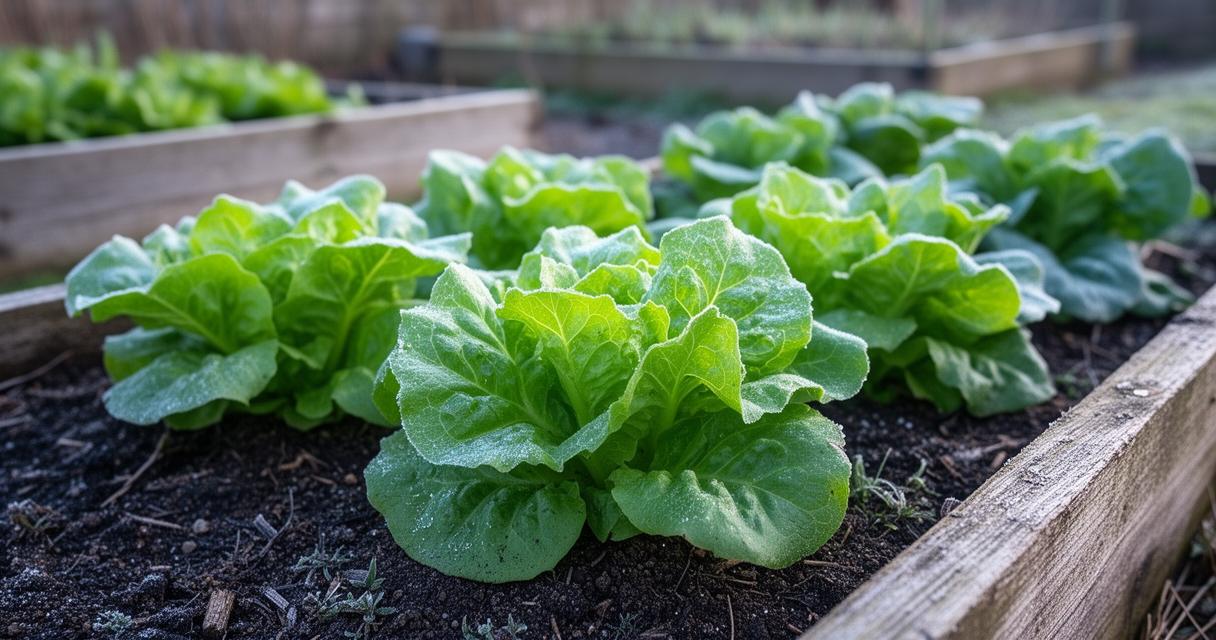
As the shortest month of the year unfolds and the grip of winter begins to ease ever so slightly, gardeners across the country find themselves eager to reconnect with the soil. February presents a surprisingly opportune moment to establish a thriving winter vegetable garden, particularly when it comes to cultivating a diverse range of salad greens. With careful selection of cold-hardy varieties and a mindful approach to managing the inevitable challenges posed by common garden pests, even the coldest months can yield a bountiful harvest of fresh, crisp leaves that will brighten any meal.
- February is an ideal time to start a winter garden by selecting specific cold-hardy salad varieties that can withstand frost.
- Lamb's lettuce, chicory, and escarole are excellent choices for late winter sowing due to their natural resilience and ability to thrive in cooler temperatures.
- Understanding frost tolerance is essential, as some plants adapt to the cold by producing natural antifreeze compounds or converting starches into sugars for a sweeter taste.
- Preparing the soil with compost and well-rotted manure is critical to improving drainage and fertility, which prevents root rot in wet winter conditions.
- Gardening success in February relies on using high-quality soil or potting mixes that help warm the planting medium to encourage earlier germination.
- Consulting expert sources like the Royal Horticultural Society can help gardeners select the best plant varieties tailored to their specific climate and soil conditions.
Selecting cold-hardy salad varieties for february planting
The key to success when planting in February lies in choosing varieties that can withstand the lingering chill and unpredictable weather patterns typical of late winter. Not all salad crops are created equal, and those that flourish in the warmth of summer will struggle or fail entirely when exposed to frosty conditions. Instead, gardeners should turn their attention to species and cultivars bred specifically for their resilience in cold weather, ensuring that germination and growth continue even when temperatures dip.
Lamb's Lettuce, Chicory, and Escarole: Winter Champions for Your Allotment
Among the most reliable choices for February sowing are lamb's lettuce, chicory, and escarole, each bringing unique qualities to the winter vegetable garden. Lamb's lettuce, also known as corn salad or mâche, is a remarkably hardy green that tolerates frost with ease. Its small, tender leaves offer a delicate flavour and a slightly nutty undertone, making it a delightful addition to mixed salads. This variety thrives in the cooler months and can be sown directly into the ground or into containers, providing flexibility for gardeners working with limited space or those seeking to protect their crops under cover.
Chicory and escarole, both members of the endive family, are equally well-suited to February planting. Chicory, with its slightly bitter taste, adds complexity to salads and can be harvested leaf by leaf to extend the cropping period. Escarole, with its broad, pale leaves and mild flavour, is a favourite for those who prefer a less assertive bite. Both varieties can endure cold snaps and even light frosts, making them dependable choices for gardeners aiming to maintain a steady supply of fresh greens throughout the winter months. These crops are also versatile, suitable for growing in open ground, raised beds, or within the shelter of a greenhouse, where they can be further protected from the harshest weather.
Understanding frost tolerance: choosing varieties that thrive in chilly conditions
Understanding the frost tolerance of different salad varieties is essential for making informed planting decisions in February. Hardy vegetables such as kale, certain types of cabbages, and leafy crops like spinach are known for their ability to withstand cold temperatures, and many salad greens share this resilience. When selecting seeds or seedlings, it is wise to consult detailed descriptions or seek guidance from reputable sources such as the Royal Horticultural Society, which offers extensive gardening advice to help growers make the best choices for their specific climate and soil conditions.
Frost-tolerant varieties often possess physiological adaptations that allow them to continue photosynthesis and growth even when temperatures hover near or below freezing. These plants may produce natural antifreeze compounds or have thicker cell walls that prevent damage from ice crystals. By prioritising such varieties, gardeners can reduce the risk of crop failure and enjoy a more consistent harvest. Additionally, it is worth noting that some salad crops, when exposed to cold weather, develop a sweeter flavour as they convert starches into sugars as a protective mechanism, further enhancing their appeal on the dinner table.
Preparing Your Soil and Mastering Sowing Techniques for Winter Greens
The foundation of any successful vegetable garden, particularly one established in the challenging conditions of February, is healthy, well-prepared soil. The quality of the growing medium directly influences germination rates, root development, and the overall vigour of your plants. Taking the time to enrich and properly condition the soil before sowing can make the difference between a struggling crop and one that thrives despite the cold.
Enriching Your Soil with Compost and Well-Rotted Manure for Optimal Plant Health
Incorporating organic material such as compost and well-rotted manure into your garden beds is one of the most effective ways to improve soil structure and fertility. These amendments increase the soil's ability to retain moisture while also ensuring adequate drainage, a balance that is particularly important during the wet and unpredictable weather of late winter. Organic matter also encourages beneficial microbial activity, which helps break down nutrients into forms that plants can readily absorb, promoting robust growth and strong root systems.
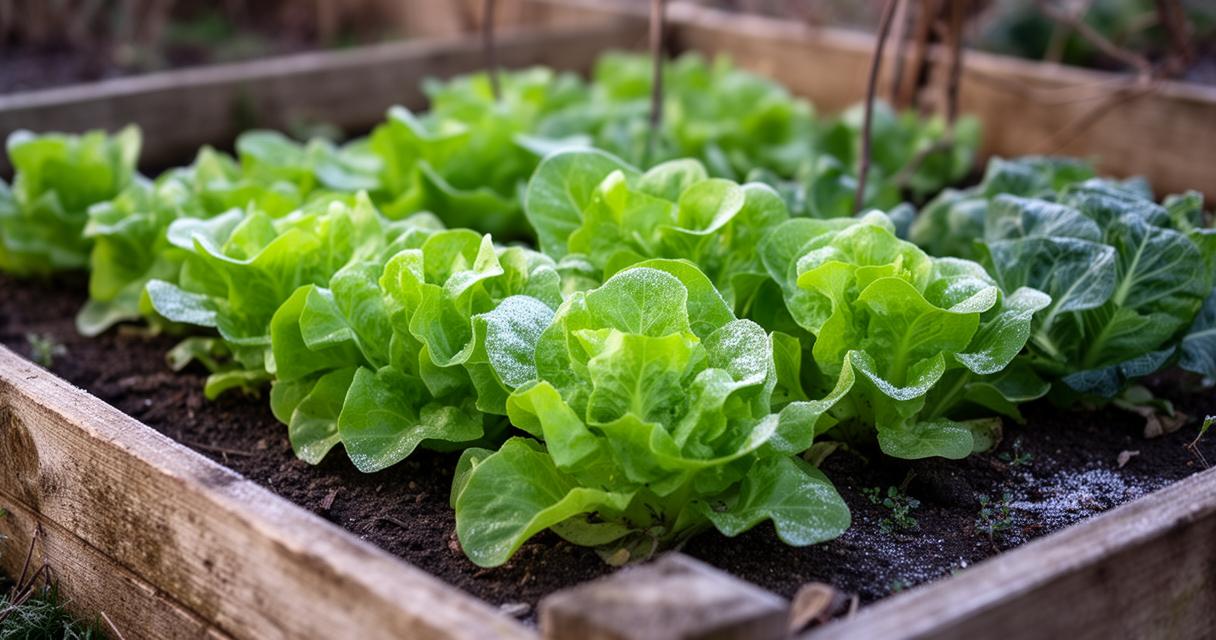
Free-draining soil enriched with organic material is especially important for salad crops, which are susceptible to rot and fungal diseases if their roots sit in waterlogged conditions. Before sowing in February, spread a generous layer of compost or decomposed manure over your planting area and work it into the top few inches of soil. This practice not only feeds your plants but also warms the soil slightly, encouraging earlier germination. For those gardening in containers or under cover in a greenhouse, the same principles apply; using a high-quality potting mix enriched with organic matter will provide your winter greens with the best possible start.
Proper Sowing Methods for Curly Kale and Leafy Salads to Ensure Strong Germination
Mastering the sowing techniques appropriate for February conditions is crucial for establishing a healthy crop. Curly kale, a staple of the winter vegetable garden, benefits from being sown directly into well-prepared soil or started in modules under cover for later transplanting. When sowing directly, aim to plant seeds at a depth of about one to two centimetres, spacing them to allow for eventual thinning. Kale is remarkably hardy and can tolerate frost, but strong germination depends on adequate soil moisture and protection from harsh winds during the early stages of growth.
Leafy salads such as lamb's lettuce, chicory, and escarole can be sown in a similar manner, though their smaller seeds require a finer seedbed. Rake the soil to a fine tilth, removing any large clumps or debris, and sow seeds thinly in shallow drills. Lightly cover with soil and water gently to avoid displacing the seeds. For those working in colder regions or facing particularly harsh weather, starting seeds in modules or trays within a greenhouse offers additional protection and allows for better control over growing conditions. Once seedlings have developed a few true leaves and outdoor conditions have improved, they can be hardened off gradually and transplanted into their final positions.
Caring for Your Winter Salad Crops and Managing Common Garden Pests
Once your salad crops are established, ongoing care and vigilance are essential to ensure a successful harvest. Winter gardening presents unique challenges, from fluctuating temperatures to the persistent threat of pests that remain active even in colder months. By adopting a proactive approach to plant care and pest management, gardeners can protect their investments and enjoy a steady supply of fresh greens.
Practical Care Tips to Promote Abundant Yields Throughout the Cold Season
Regular watering is important, though the frequency will be lower in winter than during the growing season of summer. Salad crops require consistent moisture to develop tender, flavourful leaves, but overwatering can lead to problems such as damping off or root rot. Check the soil regularly and water only when the surface begins to dry out, ensuring that any excess moisture can drain away freely. Mulching around your plants with a layer of compost or straw can help retain soil moisture and provide a degree of insulation against sudden temperature drops.
Feeding your winter salads with a balanced, gentle fertiliser can also support steady growth, though it is important not to over-fertilise, as this can lead to lush, soft growth that is more vulnerable to frost damage. A light application of a nitrogen-rich feed every few weeks will encourage leafy development without compromising plant resilience. Additionally, providing some form of protection, such as cloches, fleece, or a cold frame, can shield young plants from the worst of the weather and extend the growing season, allowing you to harvest earlier and for longer.
Identifying and Controlling Common Pests to Protect Your February Plantings
Despite the cold, a number of common garden pests remain active and can pose a significant threat to winter salad crops. Caterpillars, pigeons, slugs, and snails are among the most troublesome, each capable of causing substantial damage if left unchecked. Caterpillars, particularly those of cabbage white butterflies, can devour young leaves with alarming speed. Regular inspection of your plants and the removal of any eggs or larvae by hand can help keep populations under control. For larger infestations, consider using environmentally friendly biological controls or physical barriers such as fine mesh netting to prevent adult butterflies from laying eggs on your crops.
Pigeons are another persistent problem, especially in urban and suburban gardens where food sources may be scarce. These birds are attracted to the tender leaves of salad crops and can strip plants bare in a matter of hours. Erecting protective netting or cages around your vegetable beds is an effective deterrent, as are visual deterrents such as reflective tape or decoy predators. Slugs and snails, which thrive in the damp conditions of winter, are best managed through a combination of strategies. Handpicking during the evening when these pests are most active, creating barriers with grit or crushed eggshells, and encouraging natural predators such as birds and hedgehogs can all contribute to reducing their numbers.
Club root, a soil-borne disease affecting members of the cabbage family, can also be a concern when growing winter greens. This disease causes swollen, distorted roots and stunted growth, and it can persist in the soil for many years. To minimise the risk of club root, practice crop rotation, avoid planting brassicas in the same location year after year, and improve soil drainage by adding lime if your soil is acidic. If club root is already present in your garden, consider growing salad crops in containers filled with fresh, disease-free compost.
By staying alert to the signs of pest activity and taking swift, targeted action, you can protect your February plantings and ensure that your winter vegetable garden continues to flourish. Membership discount offers from organisations such as the Royal Horticultural Society can provide access to further expert gardening advice, plant shops, and a calendar of events including the RHS Chelsea Flower Show and the RHS Wisley Flower Show, all of which offer opportunities to deepen your horticultural knowledge and connect with a community of passionate growers. Whether you are tending a modest allotment or an expansive garden, the rewards of a successful winter salad harvest are well worth the effort, bringing fresh, homegrown flavour to your table even in the coldest months.