Chefs who choose organic: how fresh kitchen garden herbs transform modern british cuisine
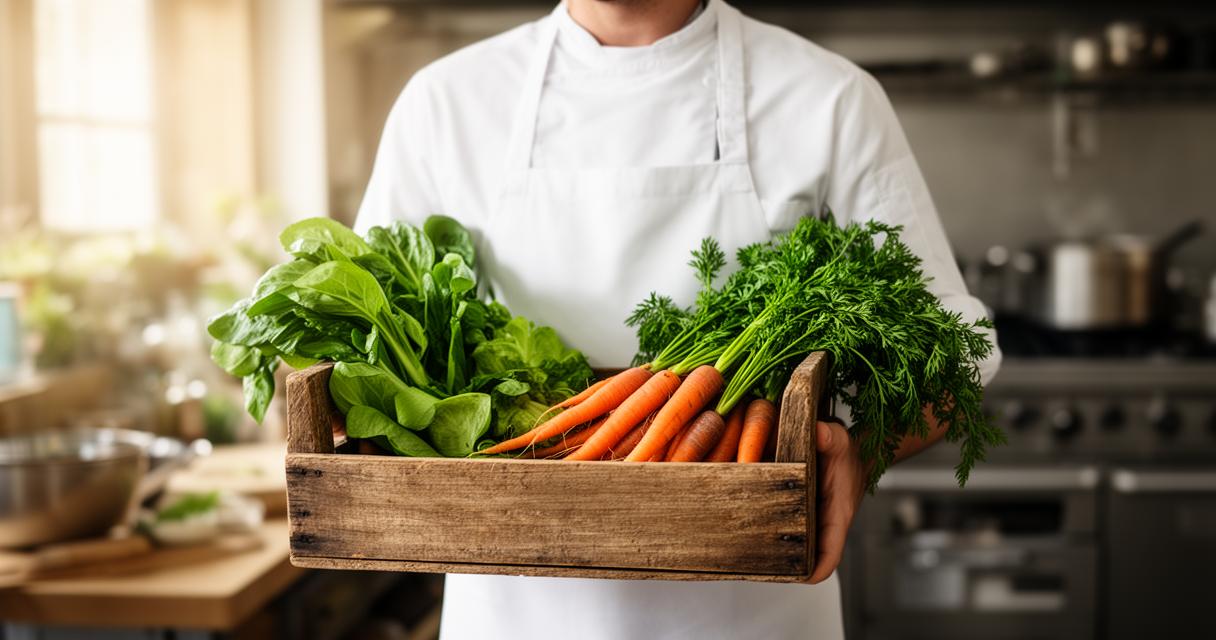
Across the United Kingdom, a quiet revolution is transforming the way professional kitchens approach their craft. Chefs are increasingly turning away from conventional supply chains and embracing organic ingredients grown mere steps from their dining rooms. This shift is not merely a passing trend but a profound reimagining of culinary philosophy, one that places freshness, sustainability, and connection to the land at the heart of modern British cuisine. The kitchen garden, once a staple of country estates, has been rediscovered and revitalised, now serving as both a source of inspiration and a vital supply line for some of the nation's most celebrated restaurants.
- Modern British restaurants are increasingly prioritizing organic ingredients, sourcing produce directly from on-site kitchen gardens or local farms.
- The shift towards organic agriculture reflects a growing commitment to sustainability, environmental health, and ingredient transparency for discerning diners.
- Chefs are finding that organically grown ingredients, cultivated in nutrient-rich soil, offer deeper and more complex flavor profiles that require less manipulation.
- International pioneers like Alain Passard and Mauro Colagreco have inspired British chefs to make vegetables the focal point of high-end, seasonal culinary experiences.
- Notable British establishments, such as Gravetye Manor and Whatley Manor, have restored historic gardens to provide chefs with direct access to produce throughout its lifecycle.
- Close collaboration between culinary teams and gardeners ensures that herbs and vegetables are harvested at their peak, significantly enhancing the freshness and quality of dishes.
- The integration of on-site gardens allows restaurants to design menus that evolve naturally with the changing rhythms and seasonality of the local environment.
The Rise of Organic Consciousness in Professional Kitchens
Why leading chefs are embracing organic ingredients
The decision to incorporate organic produce into menus reflects a broader awareness among chefs about the origins of their ingredients and the impact of food production on the environment. Diners today are more curious than ever about where their meals come from, and this curiosity has prompted chefs to respond with transparency and thoughtfulness. Restaurants are no longer content to rely solely on distant suppliers; instead, they are cultivating their own gardens or forming close partnerships with local organic growers. This approach ensures that vegetables, herbs, and fruits arrive at the kitchen at their peak, bursting with flavour and nutritional value. The emphasis on locality and seasonality has become a defining characteristic of contemporary British dining, with chefs designing menus that evolve alongside the changing rhythms of the garden.
The Ethical and Culinary Benefits of Choosing Organic Produce
Choosing organic ingredients offers advantages that extend beyond taste. By avoiding synthetic pesticides and fertilisers, chefs contribute to healthier ecosystems and support farming practices that prioritise long-term soil health. This commitment to sustainability resonates deeply with guests who seek dining experiences aligned with their values. Moreover, organic produce often exhibits more complex flavour profiles, as plants grown in nutrient-rich soil without chemical intervention develop deeper, more nuanced tastes. Chefs appreciate the opportunity to work with ingredients that require less manipulation in the kitchen, allowing natural qualities to shine through. The ethical dimension of organic farming also strengthens the relationship between restaurants and their communities, fostering a sense of shared responsibility for the land and its bounty.
Visionaries of Organic Cuisine: From Continental Masters to British Innovators
Alain Passard and Mauro Colagreco: Pioneers of Farm-to-Table Excellence
On the international stage, figures such as Alain Passard and Mauro Colagreco have become synonymous with the farm-to-table movement. Passard, whose Michelin-starred restaurant in Paris draws upon ingredients from his own organic farms, has demonstrated that vegetables can take centre stage in haute cuisine. His meticulous approach to sourcing and preparation has influenced a generation of chefs who see organic produce not as a constraint but as a canvas for creativity. Similarly, Mauro Colagreco has built his reputation on a deep connection to local producers, crafting dishes that celebrate the unique terroir of his surroundings. These culinary pioneers have shown that the pursuit of excellence in cooking is inseparable from a commitment to organic agriculture and sustainable practices.
British chefs championing local organic producers
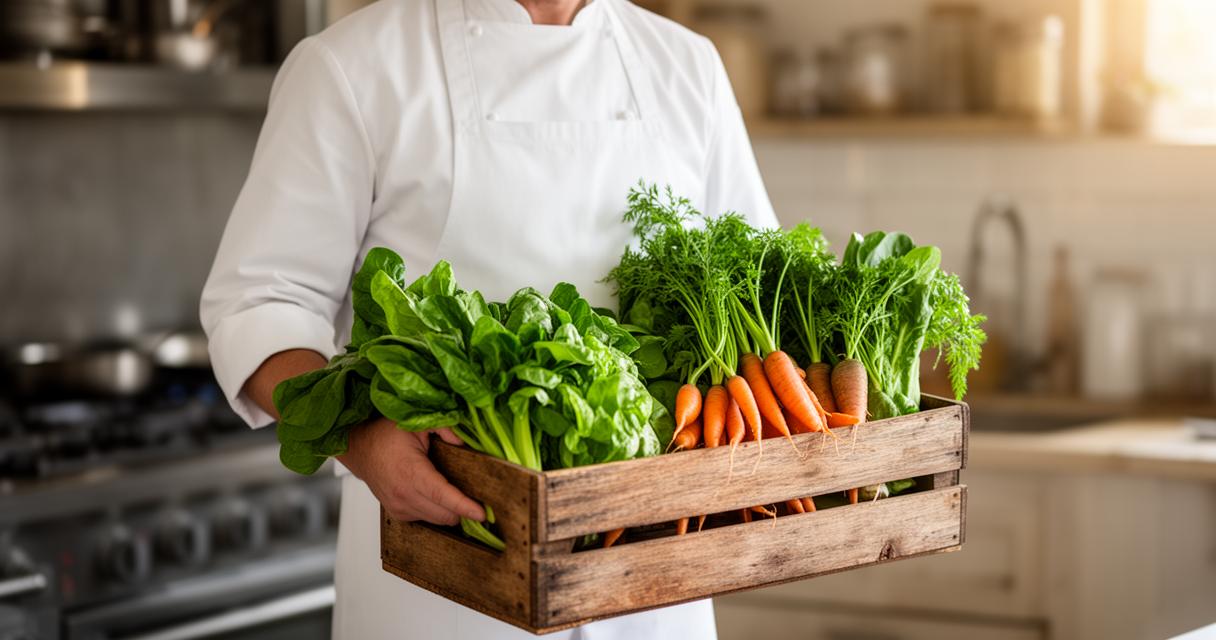
In the United Kingdom, a growing number of chefs are following in the footsteps of these continental masters, forging their own paths toward organic excellence. Establishments such as Gravetye Manor and Whatley Manor Hotel & Spa have restored historic kitchen gardens, transforming them into vibrant sources of seasonal produce. At Gravetye Manor, the Michelin-starred restaurant relies heavily on the walled garden that surrounds it, ensuring that each dish reflects the freshest offerings of the season. Similarly, Whatley Manor has adopted a no-dig gardening approach, focusing on soil health and inviting chefs to collaborate directly with gardeners in selecting produce. This hands-on involvement allows chefs to understand the full lifecycle of their ingredients, from seed to plate, and to make informed decisions about menu planning and crop adaptation. The Torridon in Scotland and Grove of Narberth in Wales exemplify this philosophy as well, with their Michelin-starred restaurants drawing inspiration from the landscapes that surround them.
The kitchen garden revolution: freshness redefined
How on-site gardens transform vegetable and herb quality
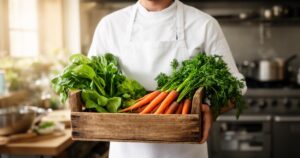
The presence of a working kitchen garden on restaurant grounds fundamentally alters the quality of ingredients available to chefs. Herbs picked moments before service retain their aromatic intensity, while vegetables harvested at their peak deliver unparalleled flavour and texture. Lou Nicholls, the head gardener at Hampton Manor, emphasises the importance of delicate harvest techniques and has taken the time to teach chefs how to pick produce correctly to maximise its freshness. This direct collaboration between gardeners and culinary teams ensures that ingredients are handled with care from the moment they leave the soil. At Hampton Manor, the garden supplies roughly ten to fifteen percent of summer produce, a contribution that may seem modest but makes an outsized impact on the dining experience. The Montagu Arms and Bovey Castle have also embraced this model, combining outdoor gardens with indoor growing facilities to extend the growing season and diversify their offerings. Bovey Castle even offers guided tours of its extensive kitchen garden, inviting guests to witness firsthand the origins of their meals.
Seasonal fruits and vegetables that elevate modern menus
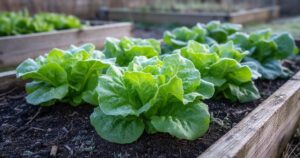
Seasonality is the cornerstone of the organic kitchen garden philosophy. Chefs who work closely with their gardens learn to anticipate the arrival of specific crops and to celebrate each ingredient at its moment of perfection. Heritage varieties of vegetables, often overlooked by commercial growers, find new life in these gardens, offering unique flavours and textures that distinguish restaurant menus from their competitors. Cinderwood Market Garden in Cheshire, for example, specialises in heritage vegetables and supplies several local restaurants, including Higher Ground, which values the opportunity to work dynamically with whatever ingredients are available each week. This flexibility requires chefs to adapt their menus continually, but it also fosters creativity and ensures that dishes remain exciting and unpredictable. Urban initiatives such as the Deptford Little Farm in south-east London are expanding the reach of organic produce even further, using rooftop gardens and permaculture principles to supply local pubs with fresh ingredients. By the year 2025, the farm aims to provide five percent of the produce for four pubs, demonstrating that even in dense urban environments, sustainable food systems can thrive. Meanwhile, the Free Company dairy farm near Edinburgh is transitioning into a market garden, advocating for broader discussions about food value and the importance of supporting local, organic agriculture.
The growing trend among chefs to prioritise organic ingredients represents a fundamental shift in the culinary landscape. By choosing quality and sustainability over convenience, these chefs are not only enhancing the dining experience but also contributing to a more resilient and ethical food system. The restoration of kitchen gardens and the embrace of organic farming methods reflect a deep respect for the land and a commitment to preserving it for future generations. As diners continue to seek out restaurants that align with their values, the movement toward organic, locally sourced cuisine is likely to gain even greater momentum, reshaping the future of British gastronomy in the process.